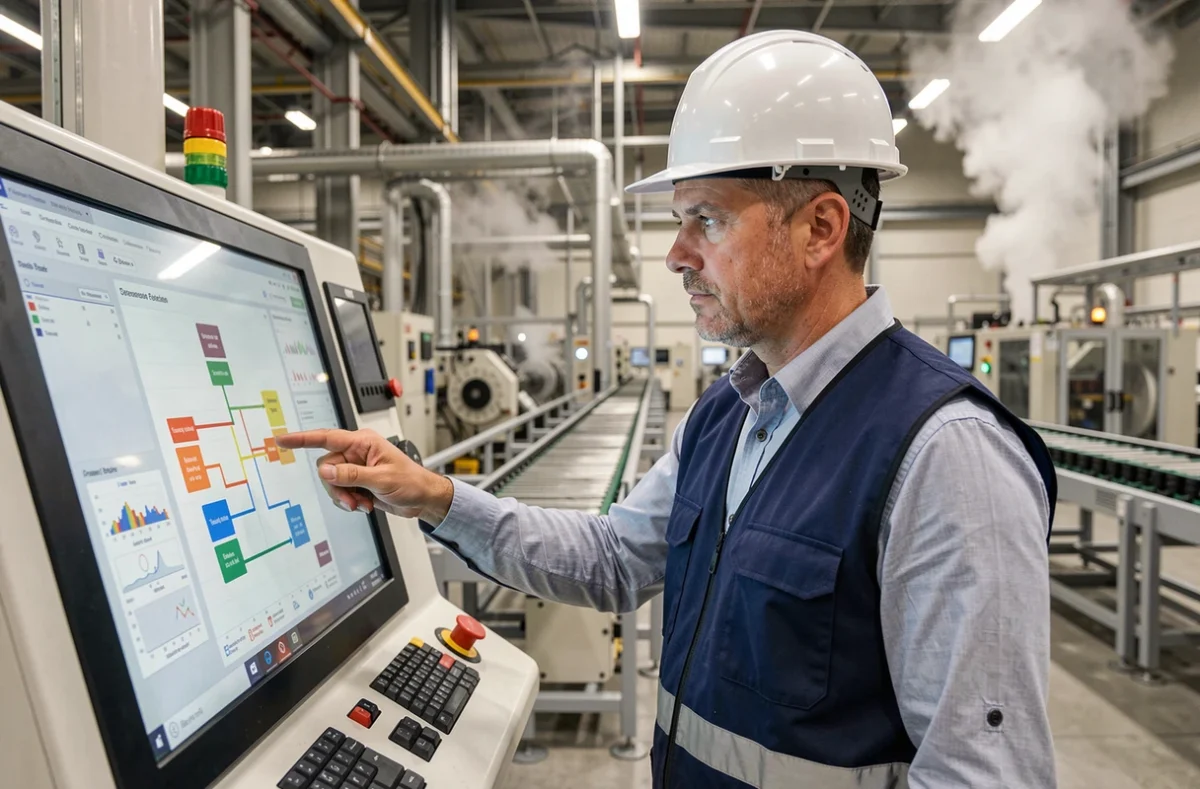
On a packaging line, a temperature sensor drifts by two degrees overnight. In the morning, the operator finds a non-compliant batch. The problem is not the sensor; it is the lack of automatic reporting of the anomaly. Managing industrial processes through digital solutions begins here, with this type of silent failure that manual supervision cannot catch.
Machine Data and the Data Act: What the European Regulation Changes
Before comparing platforms or sensors, we must ask a question that most specifications ignore: who owns the data generated by connected equipment?
The Data Act, applicable since September 12, 2025, strengthens users’ access to the data produced by their machines and regulates their sharing with third parties. In practice, this means that an industrialist installing IoT sensors on their production lines must verify, from the choice of supplier, who has access to the equipment data and under what conditions.
Portability is another point to watch. The Data Act provides rules that facilitate changing data processing service providers, with a complete elimination of switching fees planned from January 12, 2027. This timeline provides a concrete criterion for evaluating a digital solution: ease of exit, reversibility, data retrieval.
A platform that locks production histories in a proprietary format becomes an operational risk, not a management tool. Platforms like gap-online.fr allow professionals to structure their industrial supplies online, illustrating the trend to digitize every link in the chain.
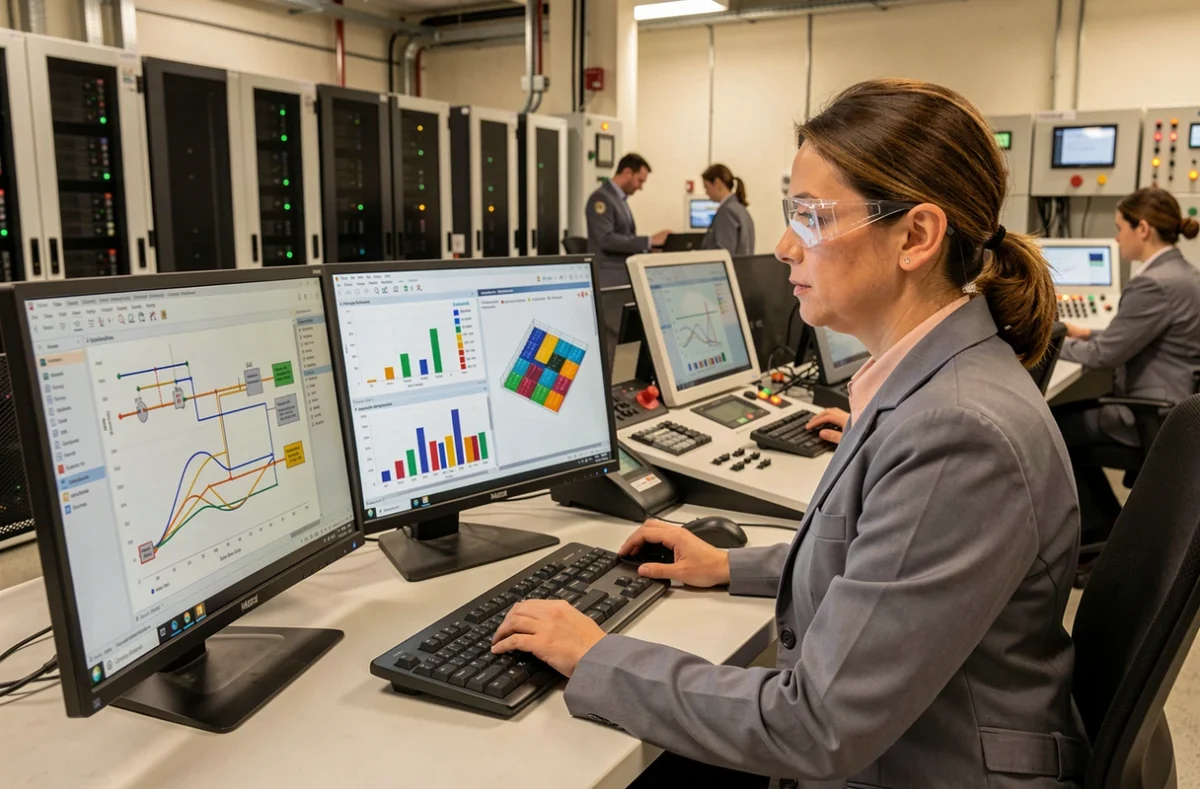
Automation of Industrial Processes: Start from the Bottleneck, Not the Technology
We regularly see digitalization projects start with the purchase of an MES software or a complete IoT suite. Then the tool remains underused because it does not address the real friction point in production.
The effective approach is the opposite. First, we identify the bottleneck (a manual quality control station, a paper entry that delays traceability, a maintenance schedule based on fixed frequencies rather than actual wear). Only then do we look for the digital brick that solves this specific problem.
Criteria for Prioritizing Processes to Digitize
- The process generates measurable rework or scrap: each point of non-quality has a direct cost that automation can reduce
- Data already exists but is not being utilized: sensors present on machines, Excel tracking files, failure histories in the CMMS
- The cycle time of the process is significantly longer than that of adjacent stations, creating a visible bottleneck on the line
- Regulatory compliance requires traceability that paper no longer guarantees (batches, temperatures, maintenance interventions)
Digitizing the right process at the right time produces quick gains and finances the continuation of deployment. Digitizing everywhere at once spreads resources thin and discourages field teams.
Industrial Cybersecurity and the NIS2 Directive: Protecting Production, Not Just IT
The NIS2 directive imposes risk management, incident reporting, and supply chain security obligations on companies in critical sectors (including manufacturing). The change from the previous version is clear: responsibility extends to digital suppliers and subcontractors.
On the ground, this translates into very concrete questions. Does the service provider maintaining programmable logic controllers remotely have segmented access? Do firmware updates for IoT sensors go through an encrypted channel? Can an incident at a cloud provider interrupt production?
Securing Without Disrupting Production
The classic trap is to impose IT security policies on an OT (operational technology) environment. A poorly configured firewall between the office network and the industrial network can block real-time data reporting and blind supervision.
Network segmentation remains the most effective measure. We physically or logically separate the production network from the corporate network while allowing controlled flows for data collection. An audit of the OT attack surface before any IoT deployment prevents discovering vulnerabilities after going live.
Predictive Maintenance and Digital Twins: Use Cases and Field Limits
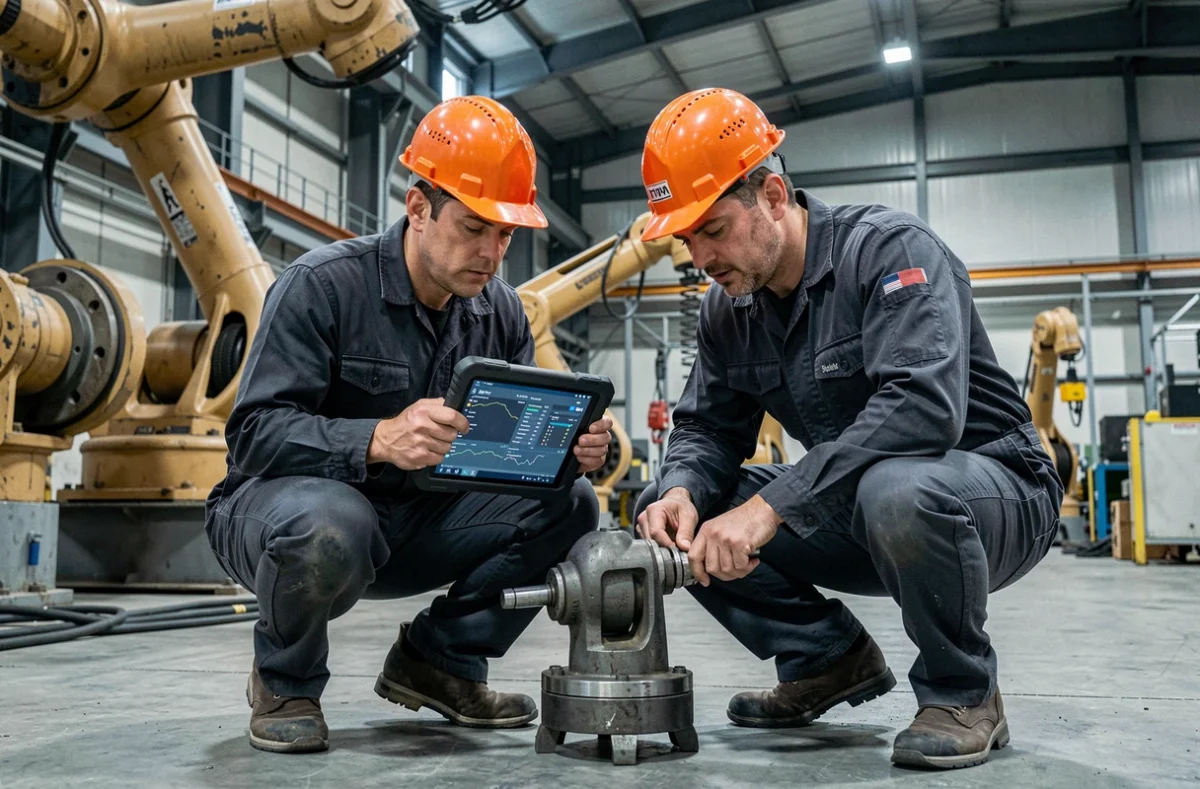
Predictive maintenance relies on the analysis of vibrational, thermal, or acoustic data to anticipate a failure before it causes a shutdown. The principle is simple; the implementation is less so.
For a predictive algorithm to be reliable, it needs a sufficient history of failures for each type of equipment. On newer machines or rare configurations, the predictive model lacks training data, which limits its accuracy during the first months of operation.
Digital twins (virtual replicas of equipment or a line) allow simulating scenarios without interrupting production. We test a change in cadence, a new setting, or a flow reorganization before applying it physically. The return on investment directly depends on the quality of the data fed into the model.
- Real-time sensor data: temperature, vibration, pressure, flow, electrical consumption
- Corrective and preventive maintenance history from the CMMS
- Production parameters: cadences, cycle times, scrap rates by station
Without this continuous input, the digital twin becomes an expensive 3D model, not a management tool.
The digital transformation of industrial processes is not an IT project. It is a production project that uses digital tools. European regulations (Data Act, NIS2) now set a framework that directly influences the choice of solutions, their architecture, and their governance. Starting from the field problem, checking data portability, and securing the OT chain before deployment: these three reflexes separate projects that succeed from those that get bogged down.