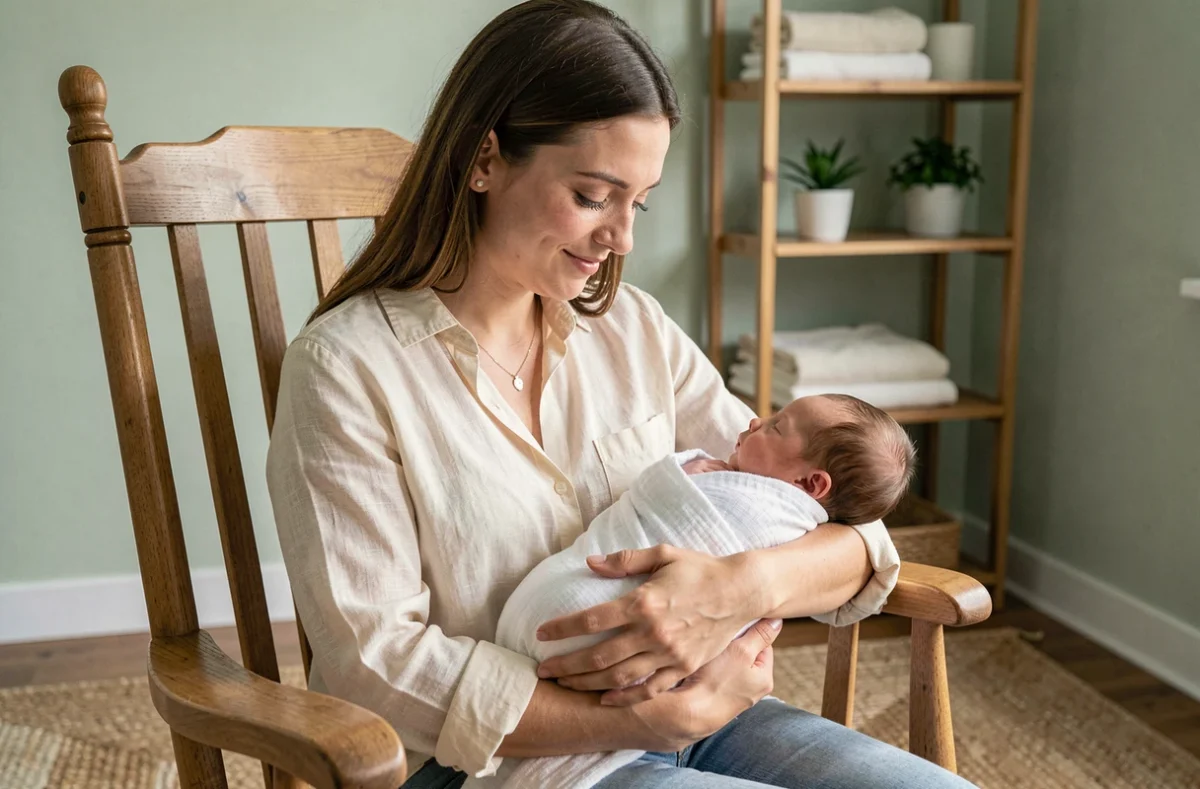
Accompanying an infant on a daily basis involves much more than just material organization. Between postnatal medical follow-up, identifying mood disorders, and the constant adjustments of family rhythm, the first weeks and months with a baby concentrate significant health, psychological, and logistical challenges. Here’s an overview of the issues that really matter for mom and baby on a daily basis.
Postpartum depression and maternal anxiety: signals to identify quickly
Mental health issues after childbirth affect a significant proportion of women, even outside of any pre-established risk factors.
The perinatal health report published by CODES 13 in the Provence-Alpes-Côte d’Azur region provides telling figures: 19% of women who gave birth showed symptoms of postpartum depression, and 30% exhibited symptoms of anxiety. These figures do not target a specific profile; they encompass all births in the region.
Structured screening occurs during postnatal consultations, conducted by general practitioners, midwives, or gynecologists. For parents seeking guidance on medical follow-up and broader parental support, the entire Maman Bébé Conseils website addresses these topics comprehensively.
Several concrete manifestations should raise alarms:
- A persistent sadness or unusual irritability lasting beyond two weeks after childbirth, without notable improvement
- A feeling of detachment from the baby, or an disproportionate concern regarding the baby’s health when no medical issues have been identified
- Sleep disturbances that persist even when the infant is sleeping, or fatigue that rest does not alleviate
These signs warrant a prompt consultation with a healthcare professional.

Early postnatal interview: a service still underutilized for mom and baby
The early postnatal interview is part of the care pathway, but the majority of mothers do not benefit from it. In PACA, the percentage of women involved increased from 20% in 2023 to 26% in 2024 according to the CODES 13 report. The trend is upward, but about three-quarters of mothers remain outside the system.
Distinct from the traditional postnatal consultation, this interview focuses on the psychological well-being of the mother, her living conditions, and her support needs. It is conducted by a midwife or a doctor in the weeks following the birth.
Its content goes beyond physical assessment. It opens a space to discuss isolation, tensions in the couple, or exhaustion, in a medical setting that allows for appropriate follow-up. Explicitly requesting this interview from your midwife or doctor remains the most reliable way to access it, as automatic scheduling is not yet widespread.
Infant sleep and family rhythm: distinguishing health safety from educational choices
Baby sleep generates a volume of contradictory advice rarely matched by other topics. Recommendations for safe sleeping and “sleep training” methods shared online coexist without a clear boundary between health safety and educational preference.
The medical aspect is not up for debate. Placing the baby on their back in a firm crib remains the reference recommendation to limit the risk of sudden infant death syndrome. The absence of crib bumpers and room-sharing without bed-sharing during the first months are part of the same validated foundation.
The daily aspect, however, resists universal answers. Nap duration, bedtime, tolerance for crying: all of this varies among families and temperaments. Field reports differ on this point, with some families finding a stable rhythm in a few weeks, while others take several months. The guilt associated with infant sleep remains a documented source of stress among new parents.
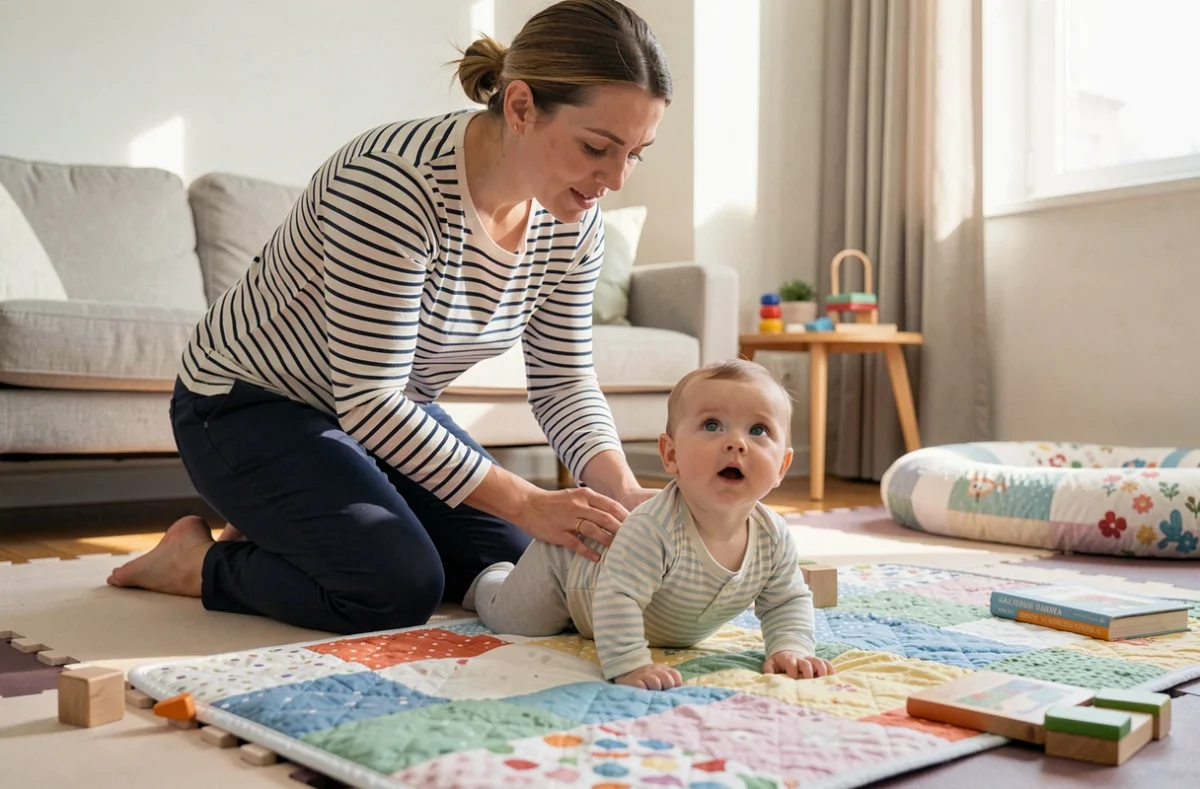
Infectious disease prevention: recent developments to know after birth
The infant vaccination schedule is generally well followed. However, two current points directly concern the daily life of the mother and baby in the first weeks.
Screening for cytomegalovirus (CMV) has received new recommendations from the Haute Autorité de santé in 2025. This virus, common and often asymptomatic in adults, can cause serious consequences for the fetus or newborn during a maternal primary infection. Daily preventive measures remain the primary lever: do not share utensils or pacifiers, avoid kissing a young child on the mouth. The screening framework is currently evolving.
Additionally, maternal vaccination can be updated immediately after childbirth for certain vaccines, without waiting for the end of breastfeeding. This option protects both the mother and the infant through passive immunity during the first weeks of life.
The return home after maternity concentrates medical, logistical, and emotional decisions that go far beyond questions of diapers or sleep. Support systems exist, from postnatal interviews to specialized consultations, but accessing them often requires active steps from the parents themselves.