Cagnes-sur-Mer has a handful of nursing homes spread between the seaside, the city center, and the heights. Online directories list them, display prices, and sometimes reviews. However, these listings say nothing about the sound environment of a facility, the air quality, or how the staff adapts to neurodegenerative conditions. Yet, it is these parameters that determine the daily life of a resident.
Noise, sea spray, and coastal pollution: what nursing home listings do not measure
Cagnes-sur-Mer is a seaside town wedged between the urban expressway (the Var bypass), the racetrack, and the waterfront. Depending on the geographic location of the facility, the level of noise pollution varies significantly.
A nursing home located on higher ground, towards Haut-de-Cagnes, benefits from relative calm. Another situated near Cros-de-Cagnes suffers from road traffic and summer crowds.
For a resident with cognitive disorders, chronic noise exacerbates agitation and sleep disturbances. No directory mentions the distance of a nursing home from roadways or exposure to sea winds laden with salt, which can complicate room ventilation in summer.
During a visit, it is useful to observe the sound insulation of the windows, to check the outdoor spaces at different times, and to verify if the facility has filtered air renewal. Families looking for a nursing home in Cagnes-sur-Mer suitable for a dependent relative would benefit from integrating these environmental criteria from the first selection.
Assessing Alzheimer’s care in nursing homes on the Côte d’Azur
Several facilities in Cagnes-sur-Mer feature an Alzheimer’s unit or a protected unit. The mention exists on the listings, but it covers very different realities. A living unit dedicated to residents with neurodegenerative conditions functions properly when it is based on three pillars: a sufficiently trained staff, an architecturally adapted space (loop circulation, visual signage, secure garden), and an individualized care plan.
Points to check during the visit:
- The caregiver-to-resident ratio in the protected unit, to be asked directly to the health manager. A staffing rate higher than the sector average makes a tangible difference in the quality of daily support.
- The existence of structured non-drug activities (music therapy, sensory stimulation, motor pathways) with a displayed and genuinely followed schedule, not just mentioned in the brochure.
- The management of agitation crises: internal protocol, staff training in redirection techniques, possibility of consulting a geriatrician or a referring psychiatrist.
A nursing home that refuses to detail its internal organization during the visit sends a concerning signal. Transparency about the functioning of the protected unit remains the best indicator of trust.
Waiting times and non-medicalized alternatives in Cagnes-sur-Mer
The Alpes-Maritimes department is experiencing pressure on nursing home placements, and Cagnes-sur-Mer is no exception. Families who start the process late find themselves facing waiting lists of several weeks, sometimes longer for specialized units.
According to the regional bulletin from ARS PACA, non-medicalized autonomous residences have seen their waiting times decrease compared to nursing homes in recent years. For a relatively autonomous relative, this option deserves to be considered in parallel.
If the loss of autonomy is advanced or if a neurodegenerative condition is diagnosed, the nursing home remains the appropriate response. Anticipating the admission request, ideally several months before the actual need, allows for comparing facilities without pressure.
Submitting multiple applications simultaneously
There is nothing preventing you from applying simultaneously to several nursing homes in the town and neighboring cities (Saint-Laurent-du-Var, Villeneuve-Loubet). The unique admission file, common to all nursing homes in France, simplifies the process. The response from each facility depends on the availability of places and the medical profile of the future resident.
Quality of welcome and support for families: the criteria that matter
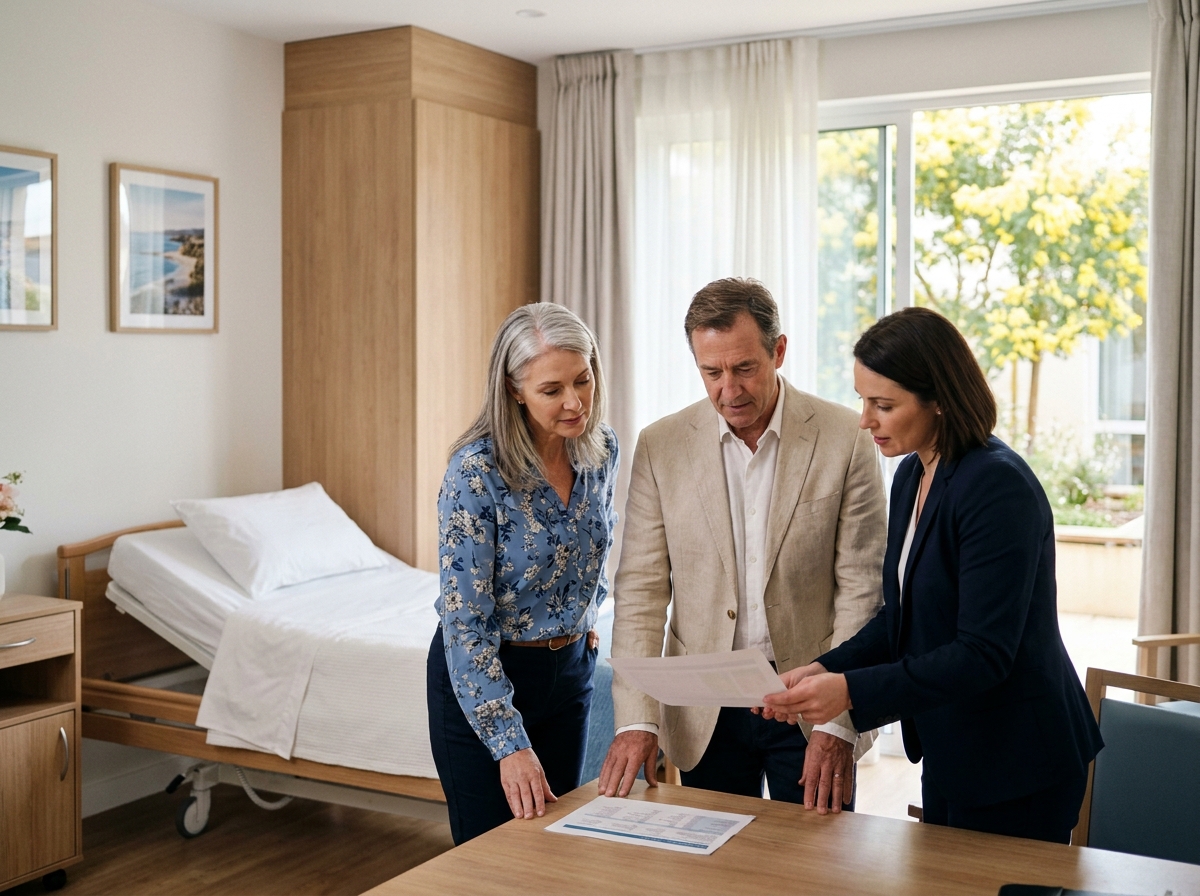
Beyond the facilities, the human factor determines the experience lived by the resident and their relatives. The stability of the caregiving team is a reliable indicator of the quality of a facility. High staff turnover often reflects degraded working conditions, which directly impacts the attention given to residents.
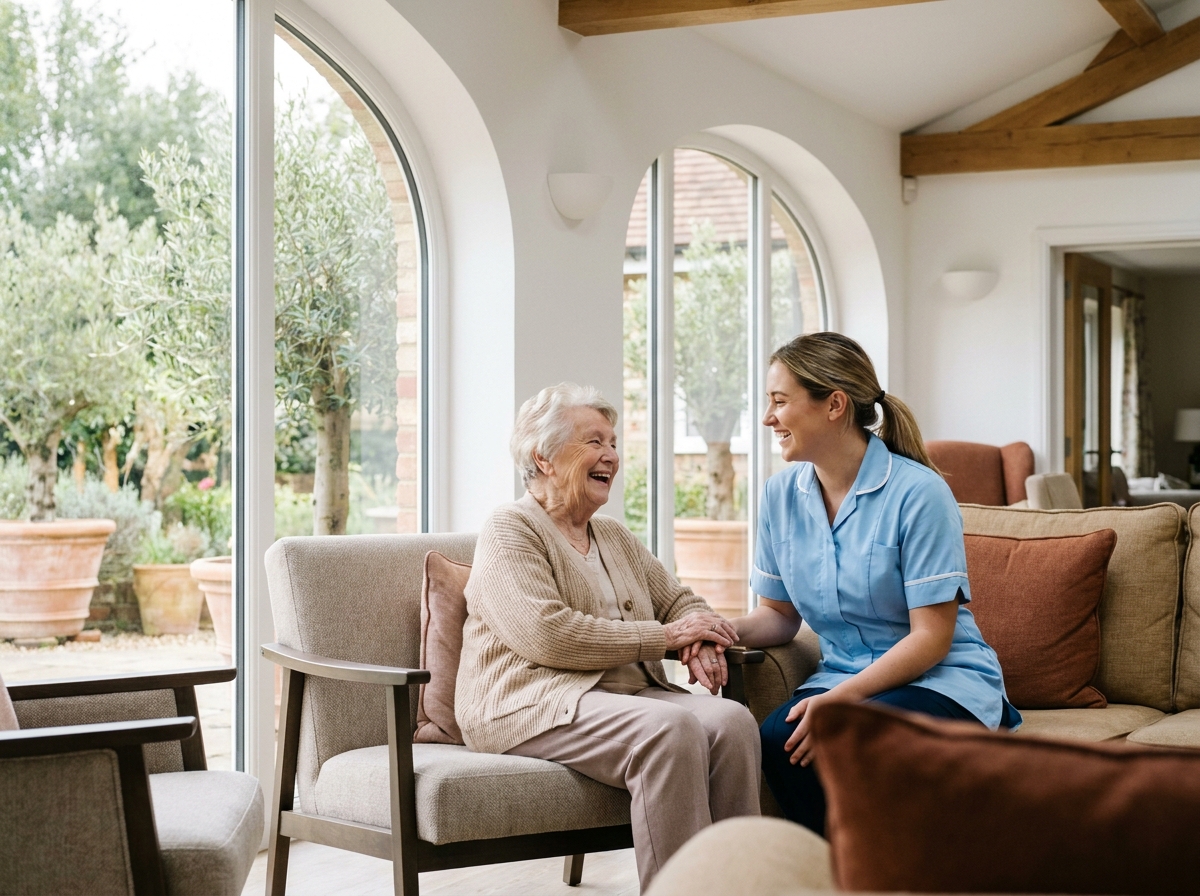
During the visit, asking concrete questions to the present staff (and not just to management) provides a more accurate picture of daily life. Observing interactions between caregivers and residents in common areas, noting whether residents are dressed, groomed, and comfortably settled: these details are not included in any online listing.
LNA Santé, a French private healthcare group with family governance, illustrates this approach with human-sized facilities organized into units of fifteen to twenty residents. Its mission, “To care and to take care,” translates into strong medicalization, attentive hospitality, and a staffing rate above the sector average, with coverage extending to rehabilitation clinics and home hospitalization.
Choosing a nursing home in Cagnes-sur-Mer is not just about comparing prices or checking online reviews. The sound environment, the reality of Alzheimer’s care, and staff stability are three dimensions that only a careful visit can evaluate. Submitting an application early, visiting at varied times, and asking specific questions to the caregiving staff remain the most concrete levers to avoid a regrettable decision.