In the European market, one of the lesser-known areas is the emerging cannabis concentrate market. How are they made, what do they contain, or how can I use them for my condition? These questions and others are becoming increasingly common in the emails I receive daily.
In this article, we will analyze different types of extracts and explain the techniques, methods, and their application for certain methods of use or for specific physical conditions. I am not a doctor, so my advice is based solely on the testimonies of people I have personally dealt with.
Extraction techniques are used to separate cannabis components and remove them from the plant material. Different methods allow the cannabis plant material to be divided into different parts, or extracts, which contain different chemicals. In the case of cannabis, extraction techniques are often used to isolate specific desired components; the plant indeed contains more than a hundred cannabinoids, including cannabidiol (CBD) and tetrahydrocannabinol (THC). However, a producer may also be interested in creating a unique extract that includes many desirable components of cannabis; this is known as whole plant extract. In addition to the most popular cannabinoids, scientists have identified over 500 different chemicals in cannabis, including terpenes, flavonoids, etc. Extraction techniques are also used to isolate individual substances of interest such as CBD, THC, CBG, or terpenes and flavonoids.
Cannabis extracts vary depending on the method used to obtain them. While concentrates like hashish and kief are made using natural methods, extracts are obtained using solvents. In the extraction industry, the most popular solvents are butane (BHO), carbon dioxide (CO2), ethanol (ethyl alcohol), and propane; all are valid options for cannabis extractions.
Cannabis concentrates, commonly referred to as cannabis extracts, are significantly more potent than regular herb buds. They have several medical applications that have proven effective for patients suffering from various conditions. When made correctly, cannabis concentrates resemble the strain from which they were obtained; the aroma, flavor, and effects are amplified due to a higher percentage of concentration by weight.
Kiefis made up of trichomes (those crystalline resin glands that cover the surface of the inflorescences) that detach from the dried plant material, usually through special screens and a lot of hard work. Cannabis trichomes are protective structures produced by female plants during flowering. Their intense bitter taste and strong aromas make the plant unpleasant for herbivores and are believed to inhibit mold development. When separated from the plant, kief looks like powder or pollen. Kief is the simplest of concentrates, and since cannabinoid and terpene production is primarily concentrated in the trichomes, this powder can be used in various preparations to enhance its potency.
Kief is generally considered a lower-quality concentrate, but some expert extractors manage to obtain an extremely clean and flavorful product using the dry sieve technique. THC content can vary from 20% to 60%.
***1 Kief
The dry sieve is a famous solventless hash type, a refined version of kief. The plant material is passed through a series of fine mesh filters so that only the heads of the trichomes remain. Due to the simplicity of the process, the dry sieve remains one of the easiest ways to obtain hashish. All you need to produce hash using the dry sieve technique are good fine mesh screens to filter the plant material, good starting material, and a bit of available time.
The quality level is often determined by the amount of plant material and trichomes present in the final product. When performed at the highest level, this process collects only the largest and most perfect trichome heads, with no trichome stems or plant material. The purest dry sieve completely melts when exposed to heat and is known as full melt dry sieve. Cannabinoid concentrations range from 35% to 60%.
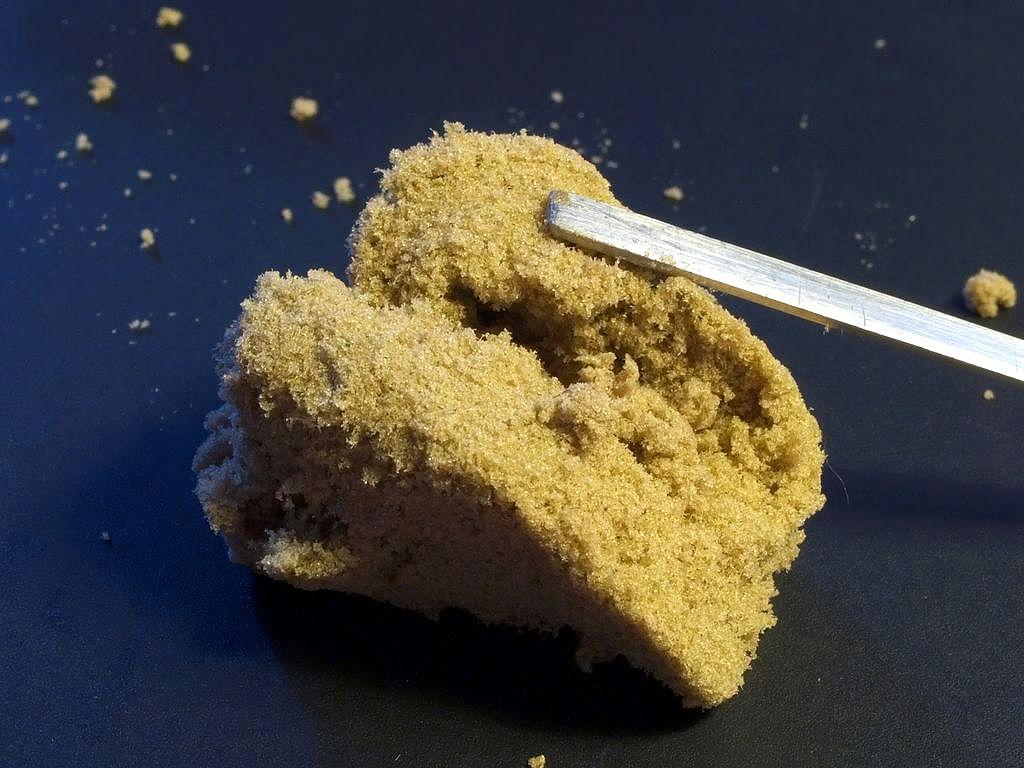
Dry sieve
Water or ice extractionisolates the heads of the trichomes — where the essential oils of cannabis are found — from stems and plant materials. The resin obtained from the cannabis plant has a history of several hundred years, and there are many ways to obtain it. Ice water extraction (2 °C or lower) is one of the most commonly used processes to produce quality hash without solvents. The main goal of this technique is to eliminate components that have little medicinal value.
The quality of the resulting hash is often determined by the size of the isolated trichome heads and the extent to which they melt when heated (the peak being completely melted). The most important part of this extraction process is the drying of the final product. If the resulting hash is not dried properly, it can develop mold and other forms of potentially harmful microorganisms.
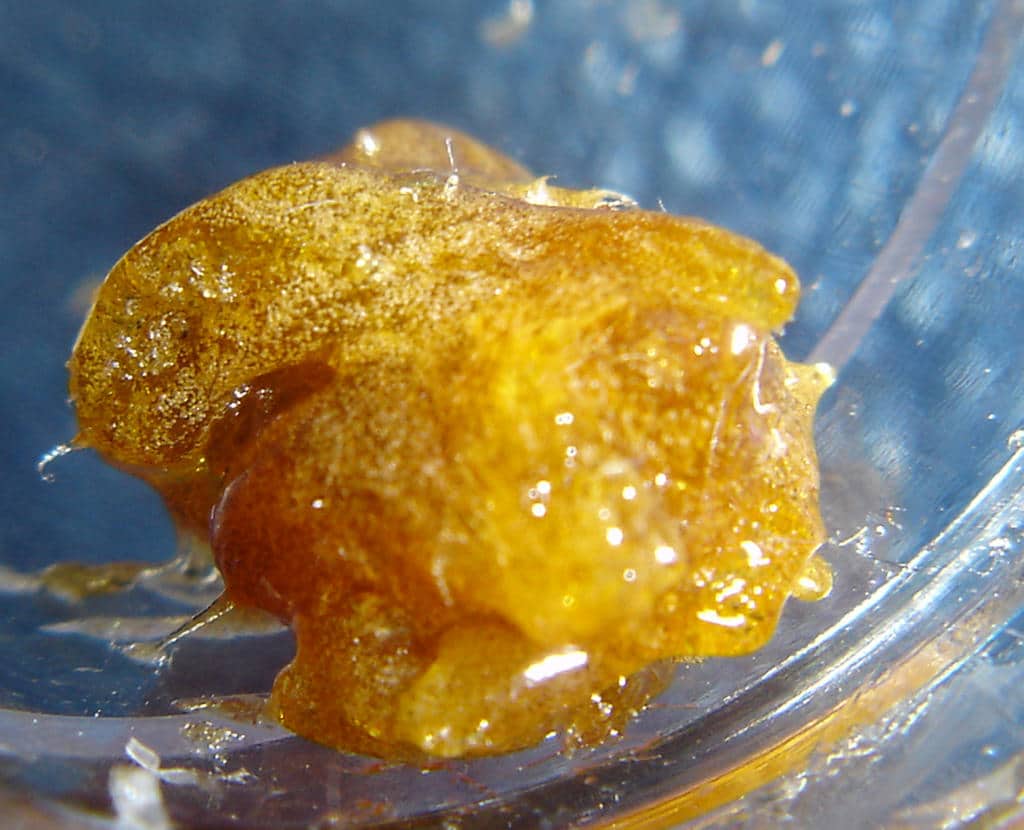
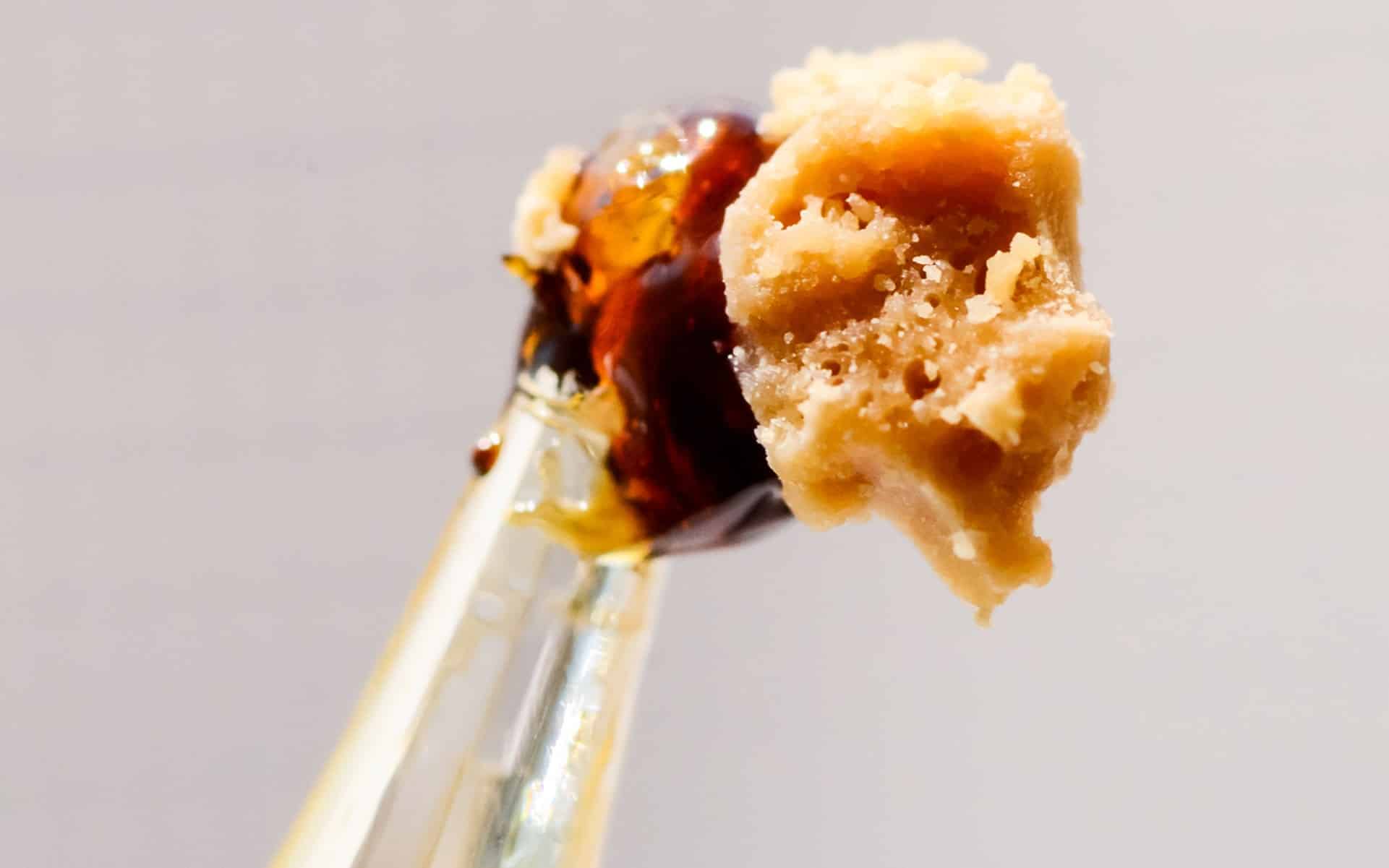
Commonly known as BHO, this is a type of cannabis concentrate produced from butane as a solvent. There are several variables (including temperature) that determine the final consistency of BHO; depending on this consistency, the obtained extraction will receive different names. To make BHO, you need cannabis, liquid butane, and a pressurized and heated tube at your disposal. The butane is then removed by vacuum evaporation. The vacuum condition transforms the butane from liquid to vapor, making it easier to eliminate. Shatter, for example, is the type of BHO that has a glass-like consistency and frequently breaks or shatters when handled. Butter, honeycomb, crumble, and sap are other terms used to describe different textures, but they all fall under the BHO category.
Using this extraction method, a very flavorful product is obtained with a significant terpene profile, and the cannabinoid concentration can reach 75 to 90%. This makes BHO a very popular choice among medical cannabis consumers suffering from chronic pain, sleep disorders, and other ailments.
Butane is highly flammable when in a gaseous state, so it is recommended to exercise caution regarding the temperature used due to the risk of gas explosion. Furthermore, such a system should include circulators that remove and recycle the butane. This removal process should eliminate any butane residue in the final extract. In any case, analytical testing should be conducted to ensure butane removal, as it is highly toxic to humans.
Instead of butane hash oil, some producers choose to produce propane hash oil. This method uses liquid propane instead of butane. In this way, the high pressure keeps the propane in a liquid state, and extraction occurs at lower temperatures, as its boiling point is lower than that of butane. The extraction temperature determines the components extracted from cannabis. Therefore, these two extraction methods, butane and propane, produce different concentrates. In some cases, these two processes can be combined to create a product with a broader chemical profile.
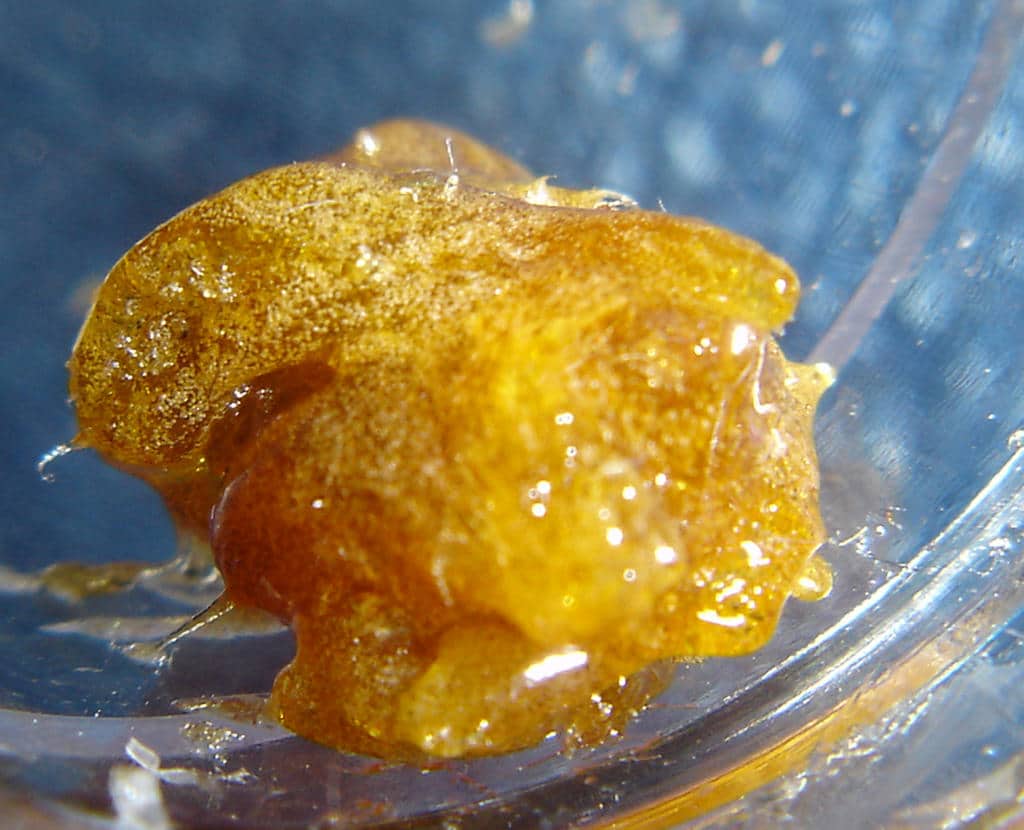
Butane hash oil (BHO)
Supercritical CO2Carbon dioxide is a supercritical fluid, in the sense that it transitions to a liquid state when subjected to a certain pressure. At the same time, CO2 is a pure chemical found in nature and leaves no residue. For this reason, supercritical extraction is a standard method already used in the food, dry cleaning, and herbal supplement industries. It is also a common food additive.
The CO2 extraction process allows for the extraction of components with almost no toxicity; a pressurized container containing cannabis is used, then supercritical CO2 is inserted, which is pumped through a filter where, once the pressure is lowered, it is separated from the plant material. Subsequently, the supercritical CO2 evaporates and dissolves into cannabinoids.
This extraction method is very effective, perhaps too effective. In fact, everything is removed from the plant material, including waxes, pigments, and fragments of cell walls. Therefore, it is necessary to perform the so-called winterization process to obtain safe and consumable extracts. This process involves mixing the substance obtained with the supercritical CO2 extraction apparatus with ethanol, cooling everything down, filtering to remove the unusable wax mass, and finally evaporating the ethanol.
The cost of equipment for this method is significantly higher than that of alcohol extraction as a solvent, but it produces higher yields, and less valuable material is lost. Moreover, this method can be used to extract specific components by modifying temperature, pressure, or runtime, or rather by combining these three variables.
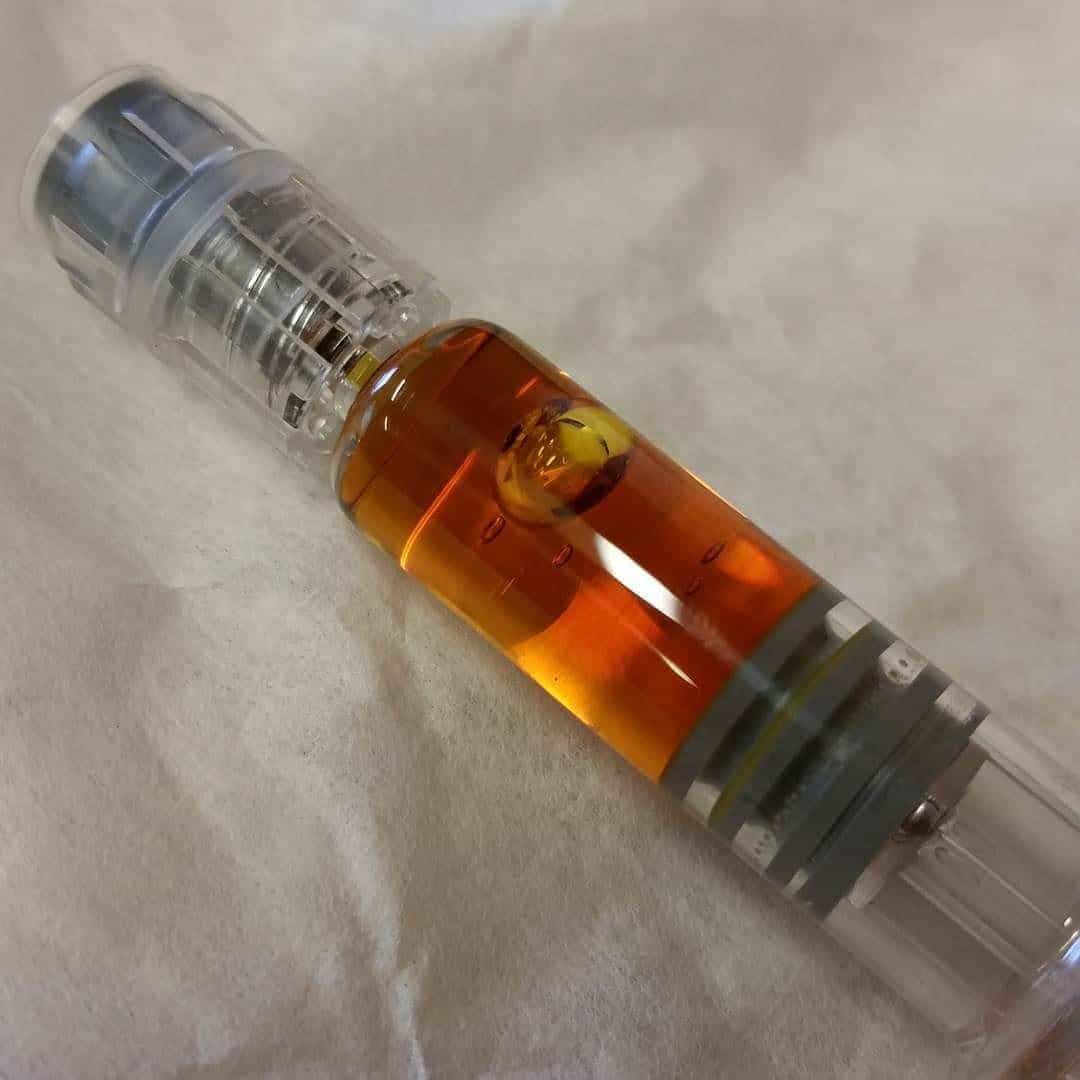
Supercritical CO2
Alcohol bathwhole plant cannabis oil Also known as cannabis oil, hemp oil, Phoenix tears, and Rick Simpson oil (RSO), can be administered orally or applied directly to the skin. The sublingual application route is the preferred treatment method for many cancer patients. Ingestion using this method, then through the mucosa, is a convenient way of medication that allows for rapid and effective absorption directly into the systemic circulation, thanks to the increased bioavailability of cannabinoids.
The true whole plant oil is obtained from the inflorescences of the female cannabis plant and includes many cannabinoids, including THC, CBD, CBN, and others, as well as terpenes and other components. Today, many companies sell their own version of Rick Simpson oil: some of them are rich in THC, while others contain only non-psychoactive components like CBD.
Cannabis extraction using alcohol has a history of several hundred years. Cannabinoids have excellent solubility in types of alcohol such as ethanol and isopropanol, provided that the water content of the alcohol is low. Ethanol-based cannabis tinctures are part of the pharmacopoeia and were easily found for many ailments before prohibition. Using ethanol to extract the beneficial components of the cannabis plant is a method considered much safer and easier than others. To obtain such an extract, it takes about 3 minutes to soak in the chosen solvent.
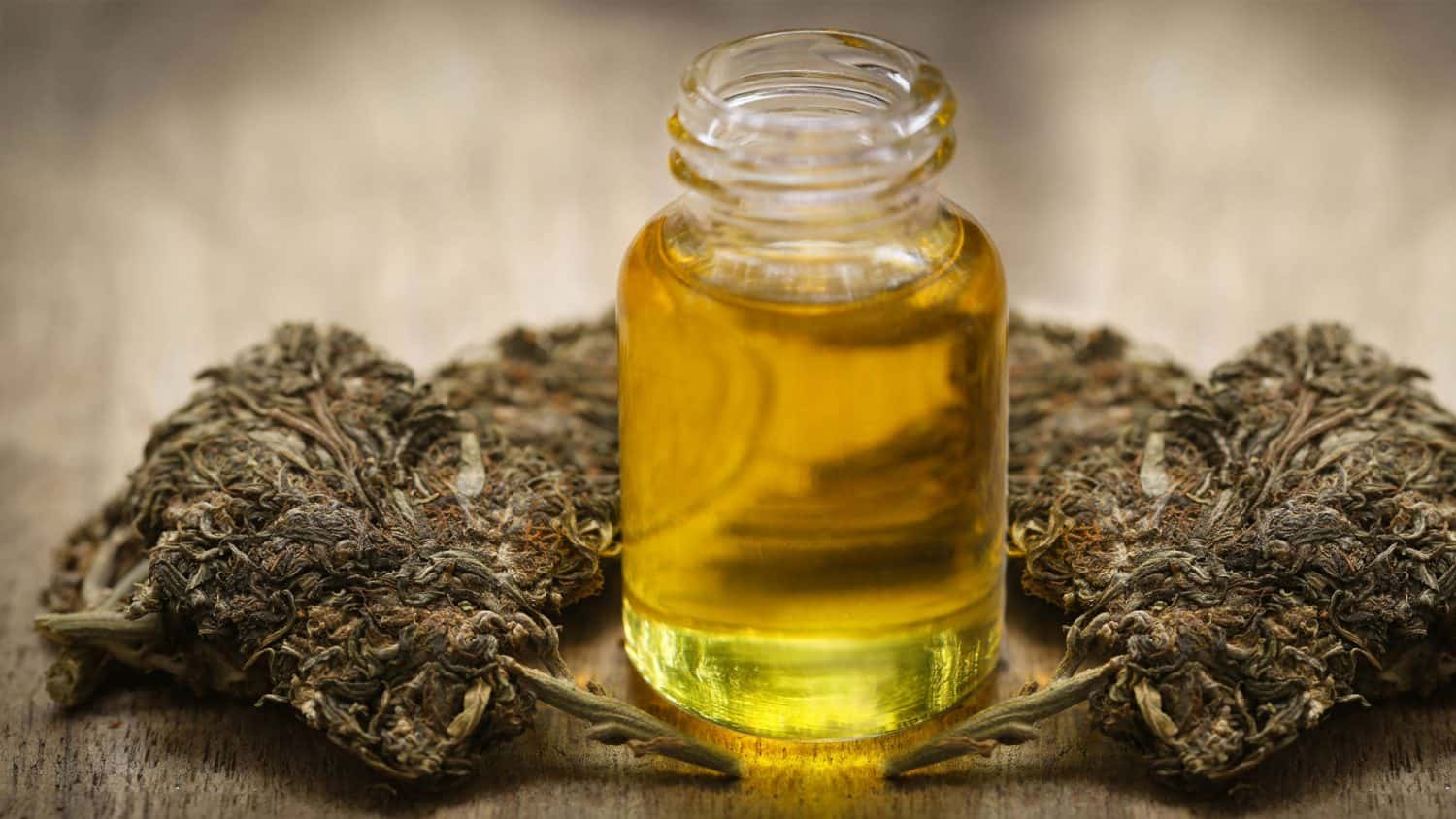
Alcohol bath
Rosinis a solid form of resin obtained by applying pressure and heat. Recently and rightly, Rosin has gained popularity in the medical cannabis community. It is a process, usually with a pneumatic hot press (or even with a flat iron when the batch is small), to vaporize the volatile liquid terpenic components.
The rosin technique is quick, simple, and accessible; it allows anyone to create quality solventless hash in a matter of seconds. To start making rosin and obtain a quality final product, you do not need as many tools as required for other extraction techniques, just a few basic tools.
To make rosin, no solvent is needed, making this method even more attractive. The product obtained is very similar to other extracts, but in fact, it is absolutely not the case; rosin is a concentrate. It is obtained using heat and pressure instead of the solvents mentioned above. Since there is no need for solvents or expensive machines, rosin is much cheaper to produce. The process required to create this concentrate is also much less complicated than solvent extraction, to the point that it can even be done at home.
With the emergence of new methods, extracts are no longer just used for simple dabbing, but much more. They have become a tool for creating cannabis-based products, whether edible or topical. Extracts have also proven valuable in scientific research and in medical cannabis.
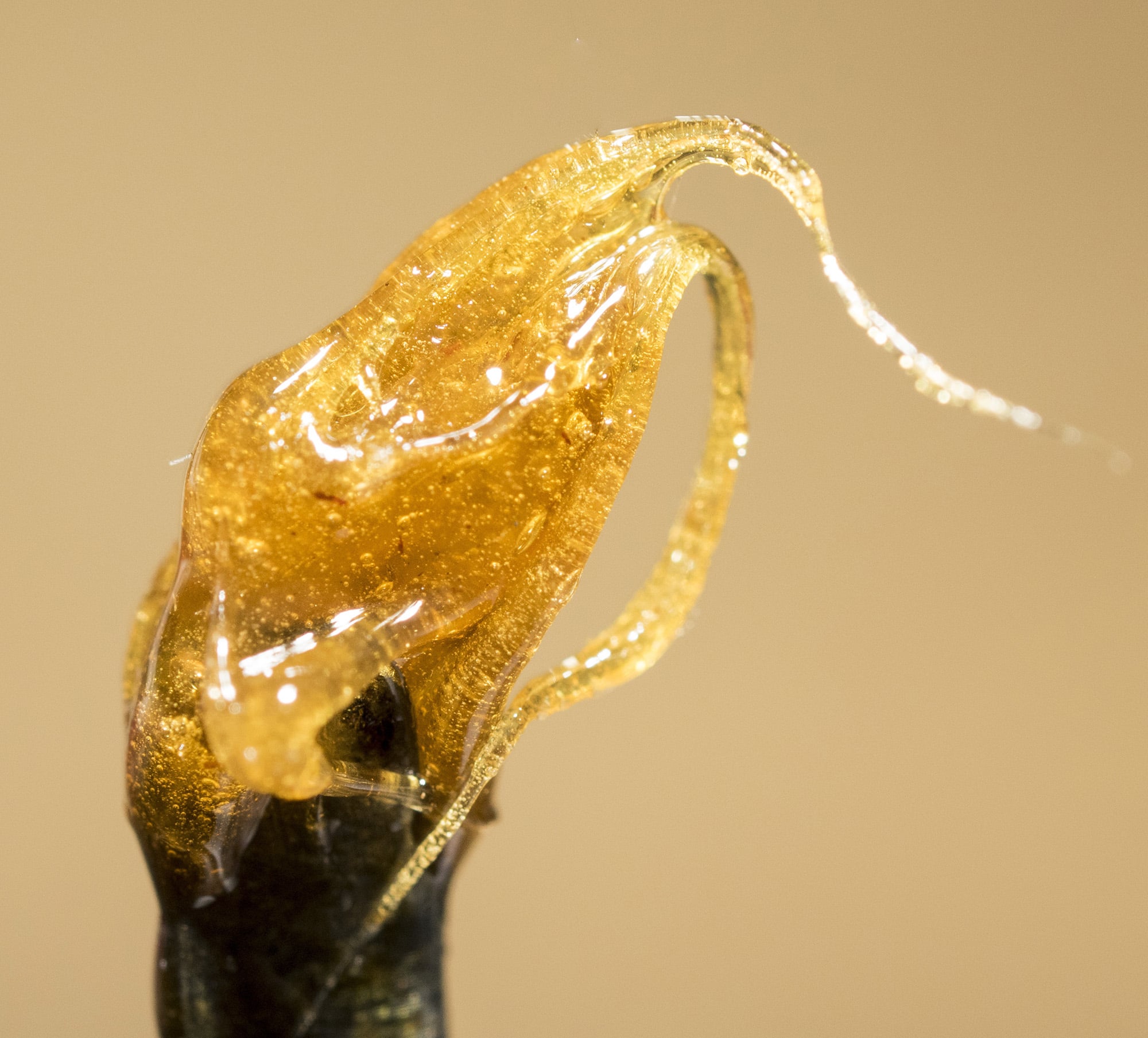
Rosin
For those who do not want to smoke extracts, electronic vaporizers are emerging. The liquid from this type of device must go through many other processes to be rid of all fats, waxes, and other impurities. Yes, it starts from the inflorescence, which is dried and ground, then a technique is applied among those mentioned above like CO2, BHO, RSO, etc., and then it is decarboxylated in the lab (it transitions from the acidic form of CBDa or THCA to the active form of CBD or THC). After that, we go through a process called purification, in which THC is removed from the amber liquid to make it legal for the European market, and finally, it is applied to the winterization of high-concentration CBD e-liquid for the EU market to clean it until the level of waxes, fats, and impurities is no longer detectable. At this stage, and to ensure that the liquid is fluid enough to function as an e-liquid, a carrier such as glycerol must be used. These concentrates have cannabinoid percentages ranging from 40% to 80% and are free from harmful chemicals, making them safe for vaporization in ceramic cartridges.
It should be noted that adding pure CBD crystals at 99% to glycerin does not make the e-liquid a full-spectrum product but a single-spectrum product and is much less effective for treating all types of disturbances than the natural extracts from the whole plant.
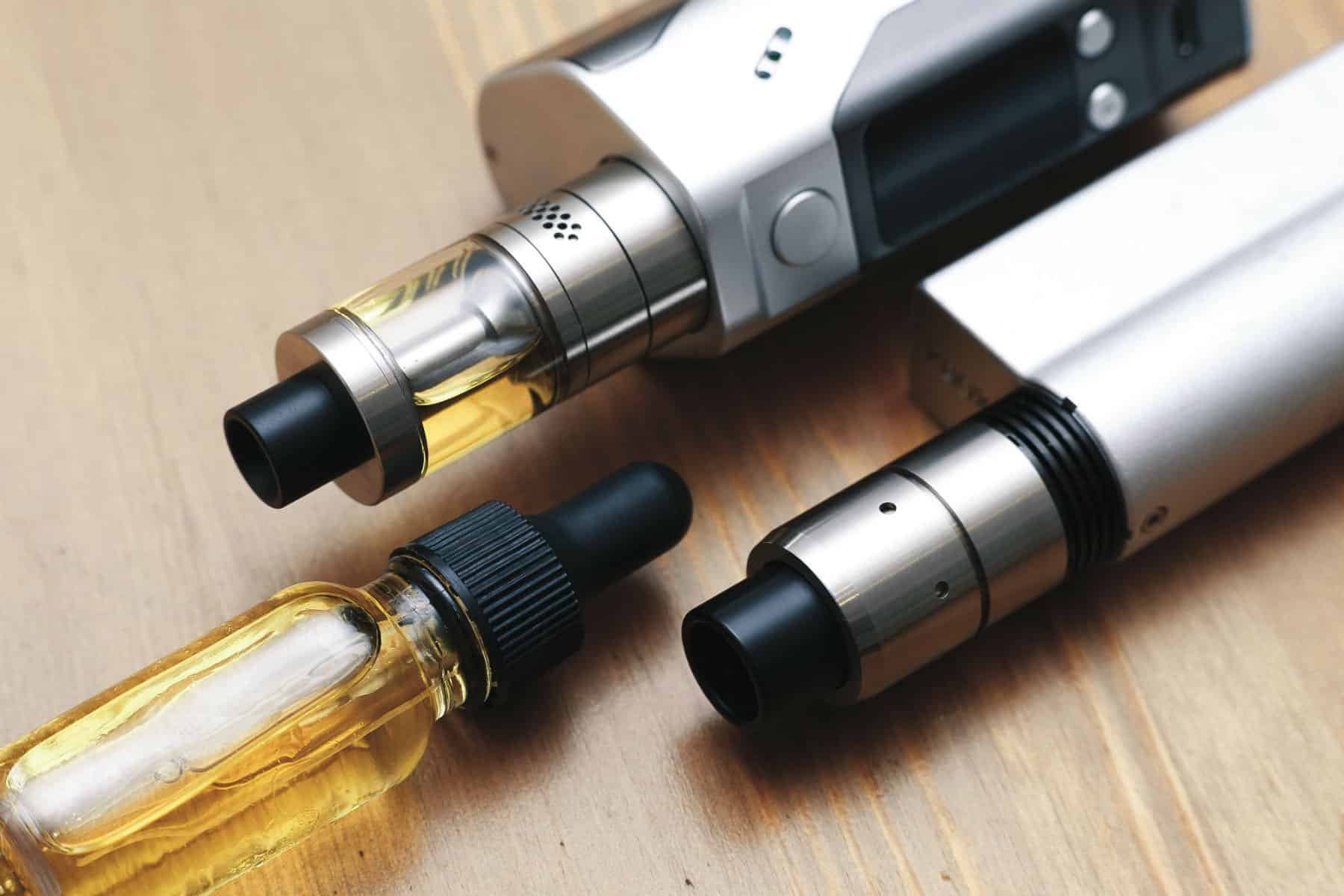
High-concentration CBD e-liquids
The choice of the least hot extraction method means that the terpene profile of the whole plant extract remains intact. Therefore, for full-spectrum extraction, the alcohol bath or BHO better meets these requirements than CO2. CO2 is a more commercial type of extraction and is better suited for processing industrial hemp biomass, which has a lower terpene level.
Regardless of the method, the concentrate or extract you wish to produce or consume, the fact that the company producing it provides a certificate of analysis is an added value, as it will be verified that there are no insecticides, pesticides, or heavy metals in the material in question, making it safe for the end user. The issue of regulation and certification will be the next point to address: in the future, governments will identify those producing raw materials intended for human consumption and clarify all legal aspects that remain pending in this dynamic and ever-evolving industry.
Tag : More info on CBD