Recent breakthroughs in robotics are rapidly transforming our approach to daily tasks. Thanks to innovative energy sources, robots are becoming more autonomous and efficient, thereby reducing reliance on human intervention. Whether in manufacturing, agriculture, or domestic services, these advancements are redefining standards of productivity and precision.
Solutions like high-energy-density batteries and flexible solar cells enable robots to operate for extended periods while minimizing environmental impact. The integration of these technologies paves the way for even more diverse and sophisticated applications, gradually replacing traditional methods.
Energy Innovations in Service of Robotics
Modern robotics focuses on integrating artificial intelligence to enhance the capabilities of robots. Advances in this field include industrial robots capable of performing complex operations, as well as collaborative robots, or cobots, designed to work alongside humans. The integration of artificial intelligence in these systems allows for tasks to be executed with increased precision.
- In the medical sector, robots like the Da Vinci Surgical System enable surgeons to perform complex procedures with unmatched precision. These robots assist in executing commands using an optimized energy source, thereby reducing bodily trauma.
- Robotic exoskeletons, on the other hand, play a fundamental role in rehabilitating patients, helping them regain their motor function.
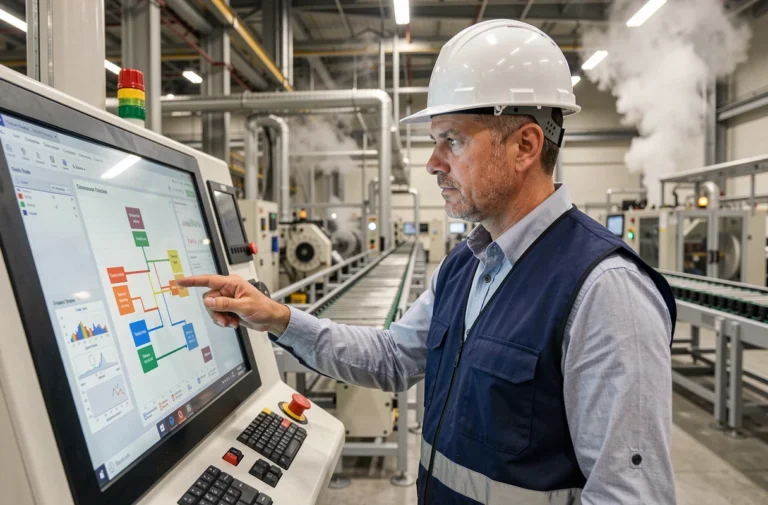
- In manufacturing, robots equipped with vision systems and machine learning can recognize parts and detect defects in real-time. These systems allow for advanced automation, increasing the quality and productivity of production lines. Robotic autonomy, made possible by AI, enables mobile robots to navigate independently and optimize their routes in real-time.
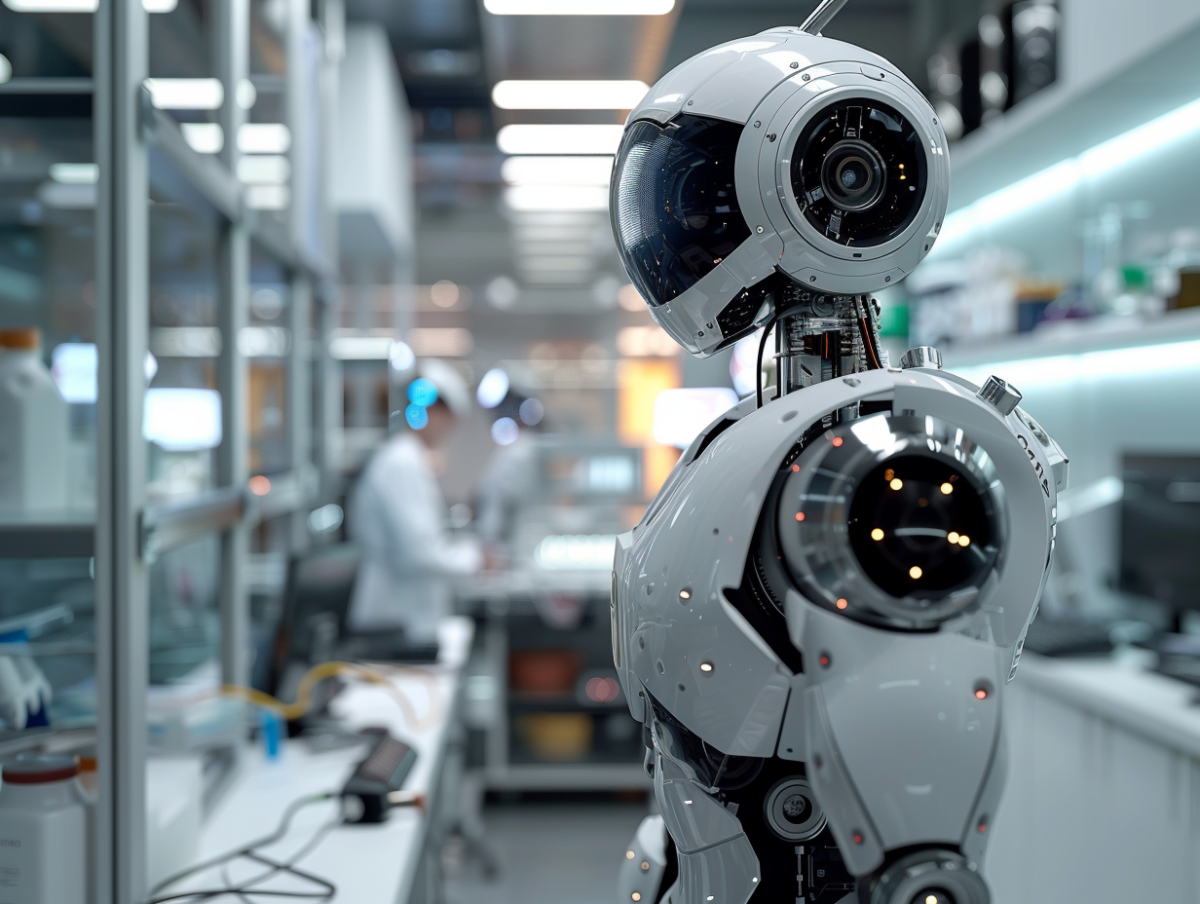
- Service robots, such as Eve, developed by 1X and supported by OpenAI, use Embodied Learning to perform physical actions based on data and algorithms. Eve, thanks to this technology, is capable of carrying out autonomous tasks, marking a significant advancement in service robotics. Collaborations between organizations such as CEA, CNRS, and Inria aim to develop more human-centric robotics, integrating advanced technologies for diverse applications.
Impacts on Task Execution and Future Perspectives
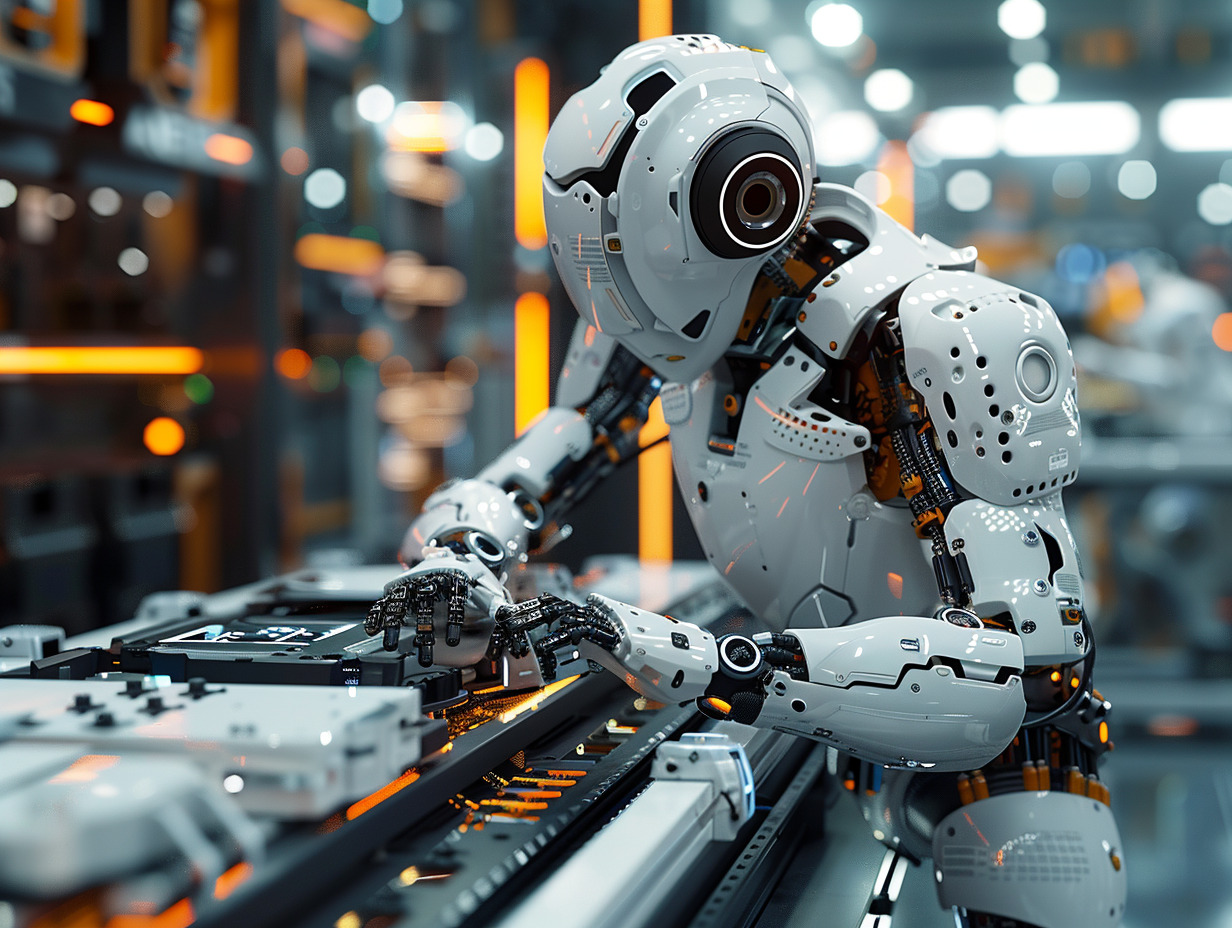
The evolution of robotics through energy innovations and the integration of artificial intelligence is profoundly transforming task execution. In the manufacturing industry, robots improve quality and productivity by taking on repetitive and complex tasks with unprecedented precision. Welding, painting, and assembly robots, for example, perform these operations with efficiency and consistency that are difficult for human workers to achieve.
- Autonomous robots, equipped with sensors and vision systems, can navigate dynamic environments and optimize their routes in real-time. This increased autonomy allows for unprecedented flexibility and adaptability in production processes. Workplace safety is enhanced, as robots take on dangerous tasks and reduce risks for workers.
- Cobots, or collaborative robots, work alongside humans, increasing team efficiency and allowing for smooth human-machine interaction. These robots can adapt to various work environments and cooperate with human workers for tasks requiring human intervention.
The future prospects for robotics are promising, with ongoing advancements in generative artificial intelligence and machine learning. These technologies will enable robots to develop real-time learning and adaptation capabilities, thereby improving their efficiency and versatility. Collaboration between CEA, CNRS, and Inria heralds future developments aimed at making robotics more human-centered and more integrated across various industrial and service sectors.